

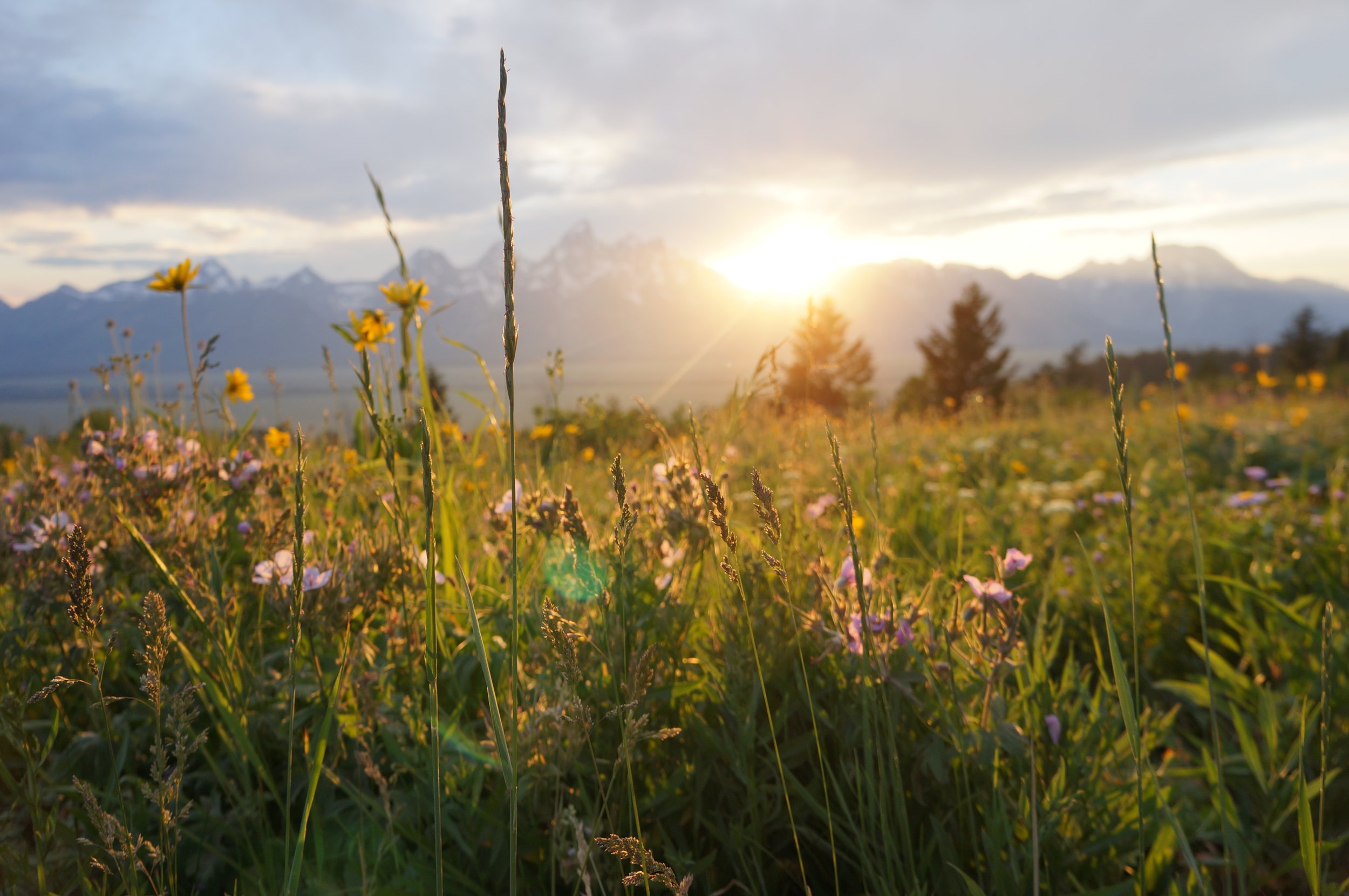
Mud Season Studios is small batch pottery made with intention and patience. Every product is hand made and hand glazed. Mud Season Studios is named as such because mud season in the Tetons is also prime art making season.
Artist Statement
image & object
Over the years I have found myself drawn to artwork that has utility. Craft. There is an innate human-ness to seeing beauty in the objects of the everyday. Works created in ceramics, fiber arts and wood carving serve as both image and object. They are pulled out for morning coffee and to keep you warm at night. Often passed down through generations– ceramic bowls and hand-stitched quilts become placeholders of family memories and storytelling. As future heirlooms, I aim to create objects whose meaning grows with each use.
pattern
As a trained printmaker, I have experimented with different elements of pattern my entire career as an artist. I am interested in the history of pattern and how a pattern is defined. I like to experiment with repetition and color to determine where a pattern’s edges bled. Pattern has deep roots in ceramics, printing and quilting. In my research, I have become infatuated with how culture’s have used patterns to express themselves, their religion, culture and values.I am inspired by the work of the Gee’s Bend quilters, Amish, and traditional Scandinavian cobalt blue ceramics.
women’s work
I am interested in how arts forms have been defined by societal norms of gender throughout American history. Quilting has been and continues to be defined as “women’s work”. Sewing was a task for domesticated women and often represented the value a woman brought to marriage. Ceramics has been defined as both women's and men’s work, but the vessels themselves have significant connection to women’s duties of cooking, cleaning and washing. Due to the gender-alignment, these crafts have historically been disregarded by artists and scholars as “decorative” beneath “fine art”. The trade of women’s work (from quilting to ceramics and more) have been used in defiance to the constraints of their societal roles. Almost every significant event in history has shown up in quilts from political elections to environmental events. Quilting has also been used as an act of defiance (especially for historically oppressed groups) such as underground railroad quilts and the AIDS memorial quilt.
This history spurs me to uncover and investigate my own identity and role as a woman contributing to society. My work becomes an expression of that investigation. While I have deep connection and interest in the historical significance of quilting– I am not artificially drawn to the craft itself. But through ceramics, I have found a humbling and satisfying craft. Combining my love of fiber arts and ceramics has allowed me to explore limitations and possibilities of each while creating my own meaning.
family and connection
Both ceramics and quilting were a social gathering and form of community connection. Quilters often worked together to make a quilt– stitching over gossip, grief, marriages, and birth. Being a witness to art, is time traveling with the community that sewed the piece together. Quilting also has a deep personal connection to my own family tree, as it is a craft shared by both my maternal and fraternal grandmothers.. I have seen treasured quilts unwrapped from their protective tissue paper that have been passed through generations. These have the names of long passed female relatives stitched with their marriage dates and married names.
process & emotion
As an artist, I have always enjoyed creating art through mediums that have a heavy emphasis on process. Printmaking and ceramics share this trait. Both require multiple steps in the creation process that force you to slow down and think about your intentions and actions. The process of ceramics mirrors the process of working on your mental health. It requires reflection, humility, intention, peace, grit, and letting go.
I am for an art that is made by people and for people. I am for an art that works to displace an infatuated feeling of self or creation but rather works to distill connection. I am for an art that does not know it is art but rather is a process and craft of heritage, storytelling and community.
NOTE! In an effort, to give back to communities in need, a portion of all proceeds will go to the People’s Pottery Project. For more information about their mission, click the link to the right.